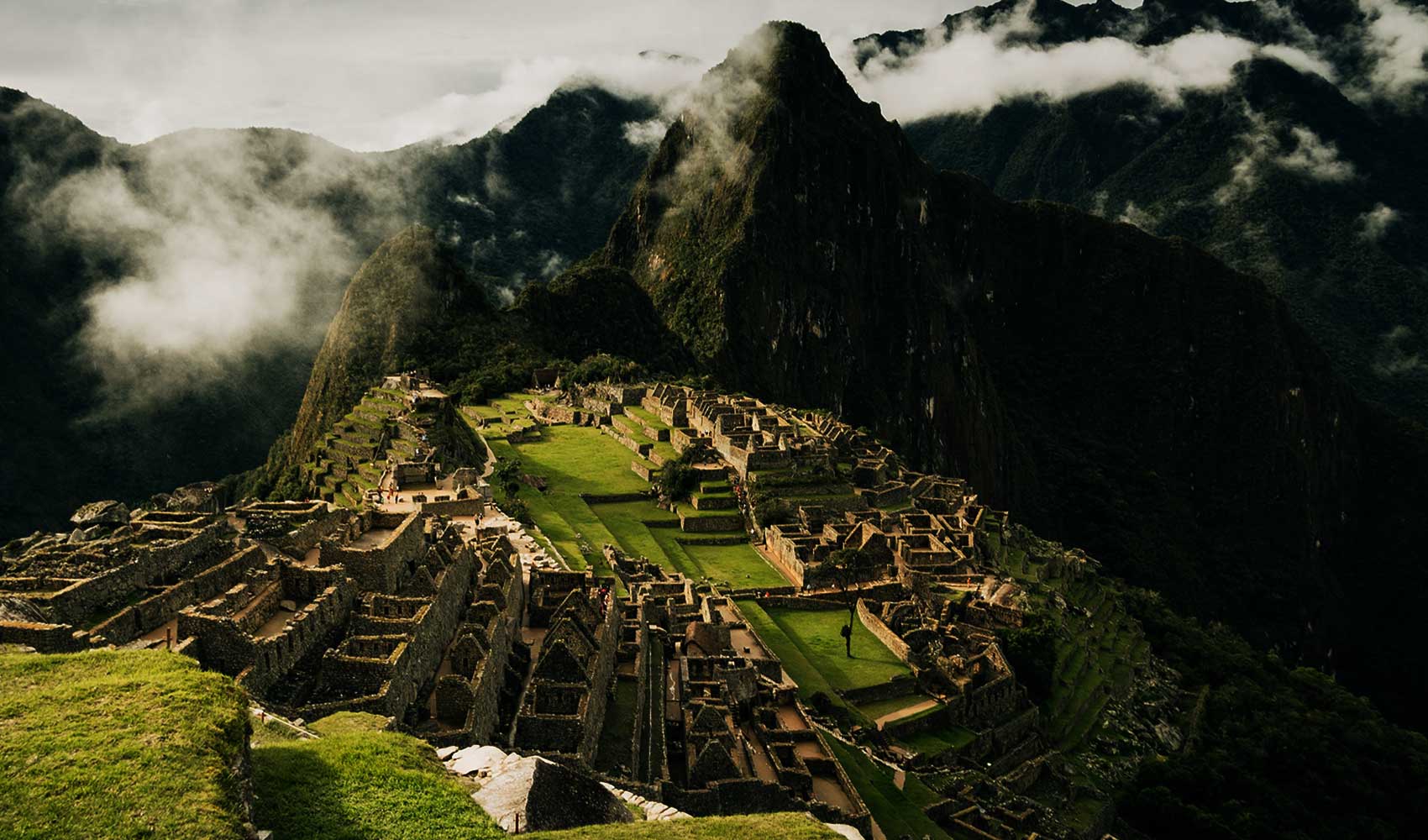

Machu Picchu is one of the most iconic travel destinations in the world and a true bucket-list experience for visitors to South America. Perched high in the Peruvian Andes and surrounded by lush cloud forest, Machu Picchu captivates travelers with its impressive Inca architecture, rich history, and breathtaking natural scenery.
This comprehensive Machu Picchu travel guide is designed for international travelers from the United States and Europe. Inside, you’ll find everything you need to plan the perfect Machu Picchu trip — including how to get there, the best time to visit Machu Picchu, essential travel tips, and recommended itineraries to make the most of your visit.
WHAT IS MACHU PICCHU?
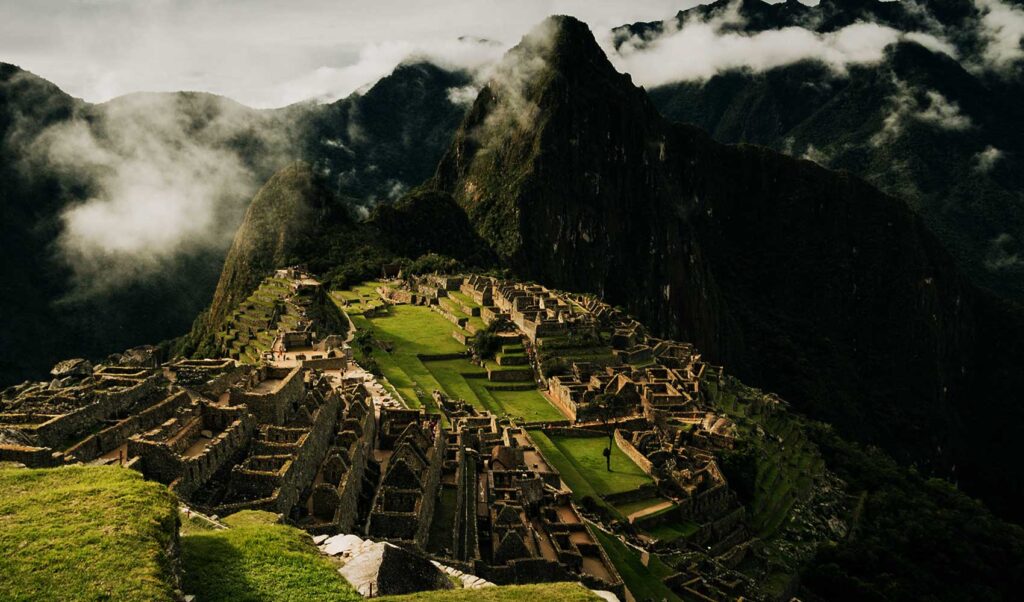
Machu Picchu is a 15th-century Inca archaeological site located in the Peruvian Andes, built during the reign of Emperor Pachacuti. Scholars believe Machu Picchu functioned as a royal estate, a sacred religious sanctuary, and an important astronomical center for the Inca civilization.
The site is renowned for its sophisticated dry-stone construction, a remarkable engineering technique in which massive stone blocks were precisely cut and fitted together without mortar. This advanced building method has allowed Machu Picchu to withstand centuries of earthquakes, heavy rainfall, and extreme mountain conditions.
Abandoned during the Spanish conquest and never discovered by the conquistadors, Machu Picchu remained hidden from the outside world until 1911. Today, Machu Picchu is recognized as a UNESCO World Heritage Site and one of the New Seven Wonders of the World, standing as a powerful symbol of Inca ingenuity, architectural mastery, and cultural heritage.
WHERE IS MACHU PICCHU LOCATED?
Machu Picchu is located in southern Peru, about 50 miles (80 km) northwest of Cusco, the former capital of the Inca Empire. The citadel sits at an altitude of approximately 7,970 feet (2,430 meters), perched between the Andes Mountains and the Amazon Basin.
Five Reasons To Visit Machu Picchu
Travelers from the U.S. consistently rank Machu Picchu among the top destinations worldwide. Reasons to visit include:
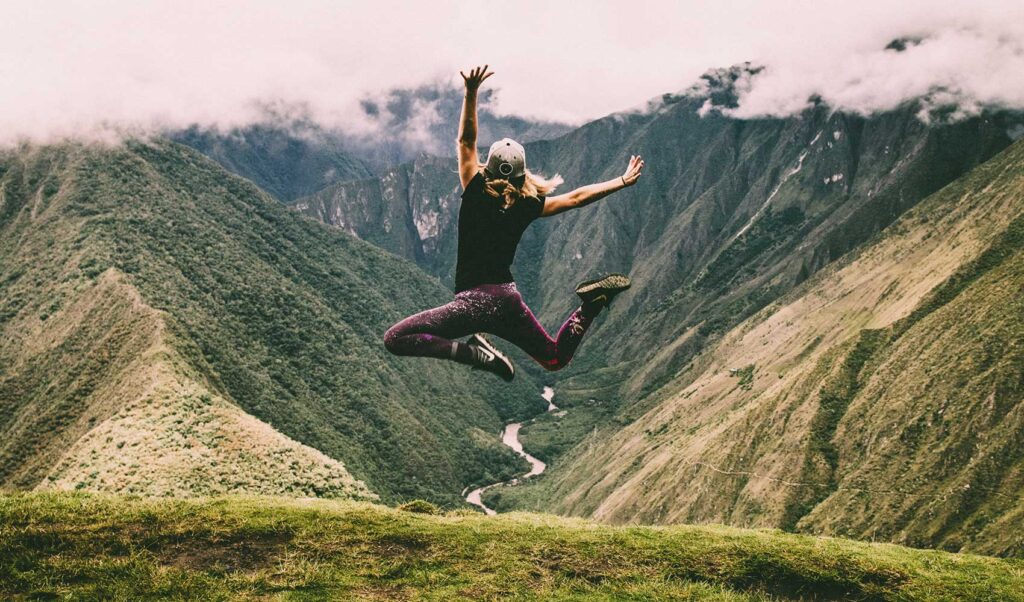
Spectacular Andean mountain scenery
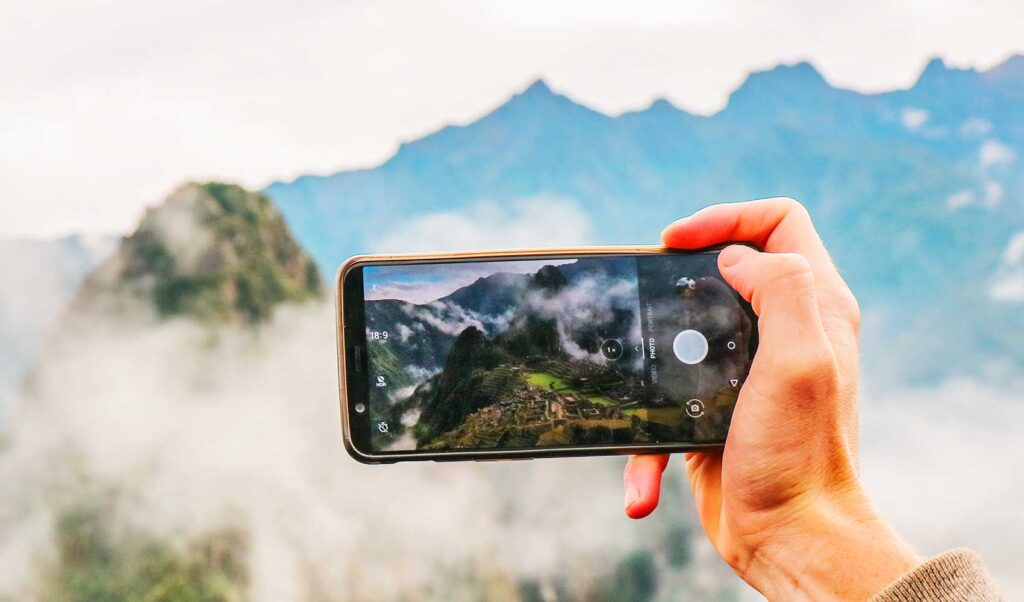
Machu Picchu is surrounded by dramatic Andean peaks, deep valleys, and lush cloud forest, creating one of the most stunning natural settings in South America. From the citadel, visitors are rewarded with sweeping panoramic views of iconic landmarks such as Huayna Picchu and Machu Picchu Mountain, while the Urubamba River winds far below through the Sacred Valley.
The ever-changing light, early morning mist, and vibrant green landscapes add to the magic of Machu Picchu, offering a scenery that feels both powerful and serene. This extraordinary combination of mountains, jungle, and ancient ruins makes Machu Picchu one of the most visually striking and photographed destinations in the world.
Exceptionally preserved Inca architecture
Machu Picchu showcases some of the finest stonework ever achieved by an ancient civilization. Massive granite blocks were expertly cut and fitted together without mortar, forming remarkably stable structures that have withstood earthquakes, heavy rainfall, and centuries of exposure to the elements.
Throughout Machu Picchu, temples, residential areas, agricultural terraces, and ceremonial spaces reveal advanced Inca engineering, intelligent urban planning, and a profound harmony with the surrounding natural landscape. This exceptional level of preservation is one of the reasons Machu Picchu is considered a masterpiece of ancient architecture and one of the most important archaeological sites in the world.
Deep cultural and historical significance
Machu Picchu offers a rare and powerful insight into the worldview of the Inca civilization. Every structure within the site was carefully designed with symbolic meaning, aligned with sacred mountains known as apus, astronomical events, and the surrounding natural elements.
Visiting Machu Picchu allows travelers to better understand Inca society, religion, agricultural practices, and their deep respect for nature. This spiritual and cultural harmony is one of the reasons Machu Picchu is considered one of the most important archaeological sites in the Americas and a place of exceptional historical significance.
Opportunities for adventure travel and hiking
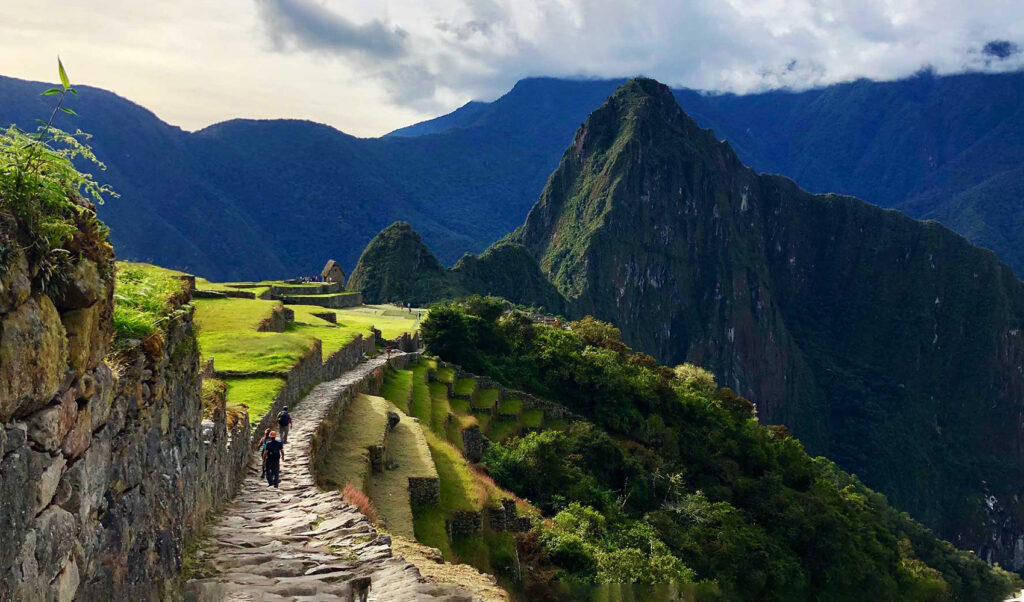
Beyond the citadel itself, Machu Picchu serves as a gateway to world-class adventure travel and hiking experiences. Travelers can explore legendary trekking routes such as the Inca Trail, the Salkantay Trek, and the Lares Trek, each offering dramatic mountain scenery, rich cultural encounters, and unforgettable journeys through the Andes.
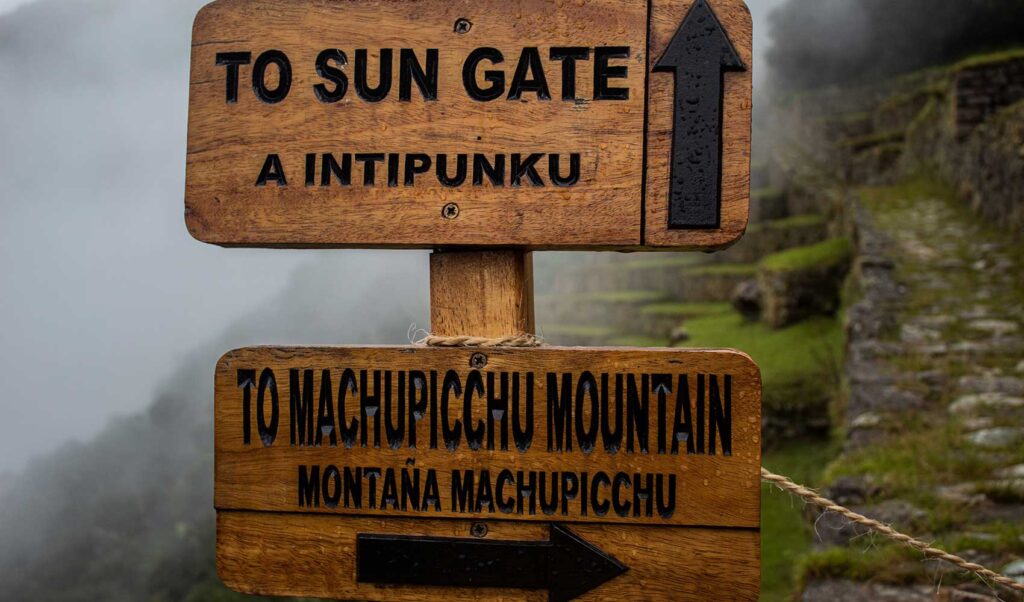
Within Machu Picchu, optional hikes to Huayna Picchu and Machu Picchu Mountain (locally known as Montaña Machu Picchu) reward visitors with breathtaking panoramic views of the citadel and surrounding valleys. These adventures add an extra sense of achievement and make Machu Picchu one of the top hiking and adventure destinations in South America.
A sense of spiritual connection and discovery
Many visitors describe Machu Picchu as a deeply moving and transformative place. Surrounded by towering Andean mountains, drifting mist, and moments of profound silence, the site evokes a powerful sense of peace, reflection, and introspection.
The Inca civilization considered this landscape sacred, and even today, Machu Picchu continues to inspire a unique spiritual connection. Travelers often speak of a special energy that encourages mindfulness, emotional connection, and personal discovery — making Machu Picchu not only a historical landmark, but also a place of inner exploration and meaning.
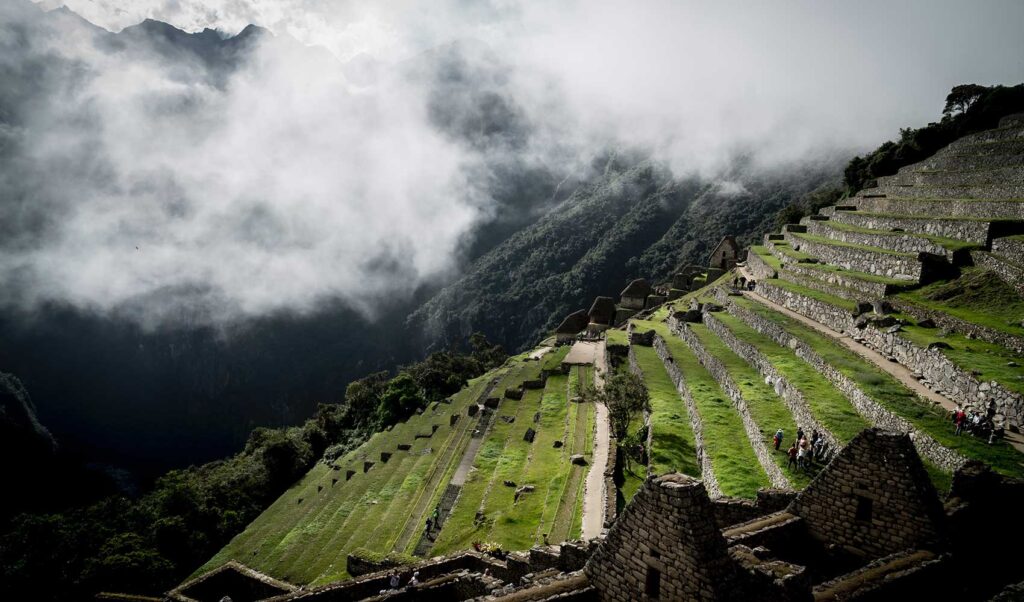
Whether you are a first-time visitor to Peru or a seasoned traveler, Machu Picchu delivers a powerful and memorable experience.
How to Get to Machu Picchu from Anywhere in the World
Reaching Machu Picchu is a multi-step journey, but it is well organized and accessible for international travelers. Below is a simple, step-by-step guide to help you plan your trip efficiently.
Step 1: Fly to Peru
Most international flights arrive in Lima (LIM), Peru’s main international gateway. From Lima, travelers take a domestic flight to Cusco (CUZ), which takes approximately 1.5 hours. Cusco is the primary starting point for visits to Machu Picchu and the Sacred Valley.
Step 2: Travel to the Sacred Valley
From Cusco, continue to the Sacred Valley by private vehicle or shared transfer. This scenic drive through the Andes provides access to key towns such as Pisac, Urubamba, and Ollantaytambo.
Spending at least one night in the Sacred Valley is highly recommended, as its lower altitude compared to Cusco helps travelers acclimatize more comfortably before continuing on to Machu Picchu.
Step 3: Train to Machu Picchu
Trains to Machu Picchu depart from Ollantaytambo or Cusco and follow the Urubamba River to Aguas Calientes (also known as Machu Picchu Pueblo). This scenic train journey offers spectacular views of mountains, rivers, and cloud forest, making it one of the highlights of the trip.
Step 4: Bus or Hike to the Citadel
From Aguas Calientes, a short shuttle bus ride takes visitors directly to the Machu Picchu entrance. For more adventurous travelers, hiking up to the citadel is also an option, offering a rewarding experience and unique perspectives along the way..
Hiking to Machu Picchu: Trekking Options
For travelers seeking adventure, hiking to Machu Picchu is one of the most rewarding ways to experience this legendary destination. Trekking routes combine breathtaking Andean scenery, ancient Inca trails, and a powerful sense of achievement upon arriving at the citadel.
Short Inca Trail to Machu Picchu (2 Days / 1 Night)
The Short Inca Trail to Machu Picchu is perfect for travelers with limited time who still want to experience a portion of the original Inca pathway.
❖ Duration: 2 days / 1 night – Ideal for shorter trips
▣ Permit required: Advance booking is essential
◆ Inca history & archaeological sites: Explore impressive ancient ruins along the trail
▲ Andean scenery: Enjoy beautiful mountain landscapes and cloud forest
★ Machu Picchu arrival: A memorable entrance to the citadel via the Sun Gate
Classic Inca Trail to Machu Picchu (4 Days / 3 Nights)
The Classic Inca Trail is the most famous trek to Machu Picchu, offering a complete immersion into Inca history and Andean landscapes.
❖ Duration: 4 days / 3 nights – Classic multi-day trek
▣ Permit required: Advance booking is mandatory
◆ Inca history & archaeology: Discover rich cultural and historical sites
▲ Andean scenery: Stunning mountain views, high passes, and cloud forest
★ Machu Picchu arrival: An iconic finale at the legendary citadel
Salkantay Trek to Machu Picchu
The Salkantay Trek to Machu Picchu is one of the most scenic and adventurous routes in the Andes, ideal for active travelers seeking a challenging alternative to the Inca Trail.
❖ Duration: 5 days – A physically demanding trek for adventure-focused travelers
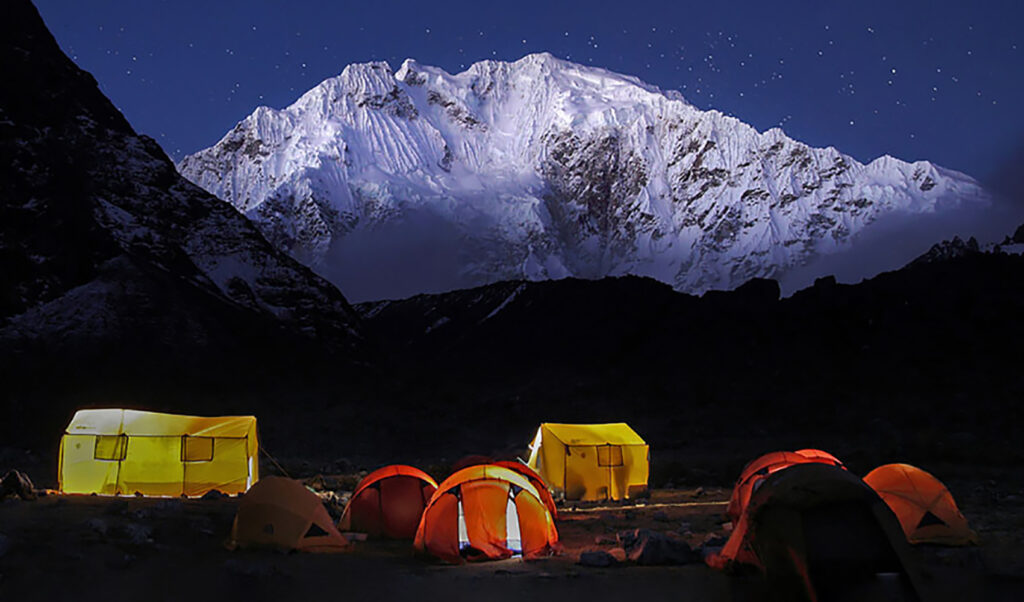
▲ High-mountain landscapes: Experience dramatic scenery, snow-capped peaks, turquoise lakes, and remote valleys
◆ Less crowded experience: Enjoy fewer travelers along the trail compared to the Inca Trail
★ Adventure-focused: Perfect for those looking for a rugged, high-altitude journey before reaching Machu Picchu
Lares Trek & Inca Jungle Trek to Machu Picchu
The Lares Trek and Inca Jungle Trek to Machu Picchu are excellent alternatives for travelers seeking a more flexible and less traditional route. Both options combine cultural immersion, scenic landscapes, and adventure, offering a different way to experience the Andes before reaching Machu Picchu.
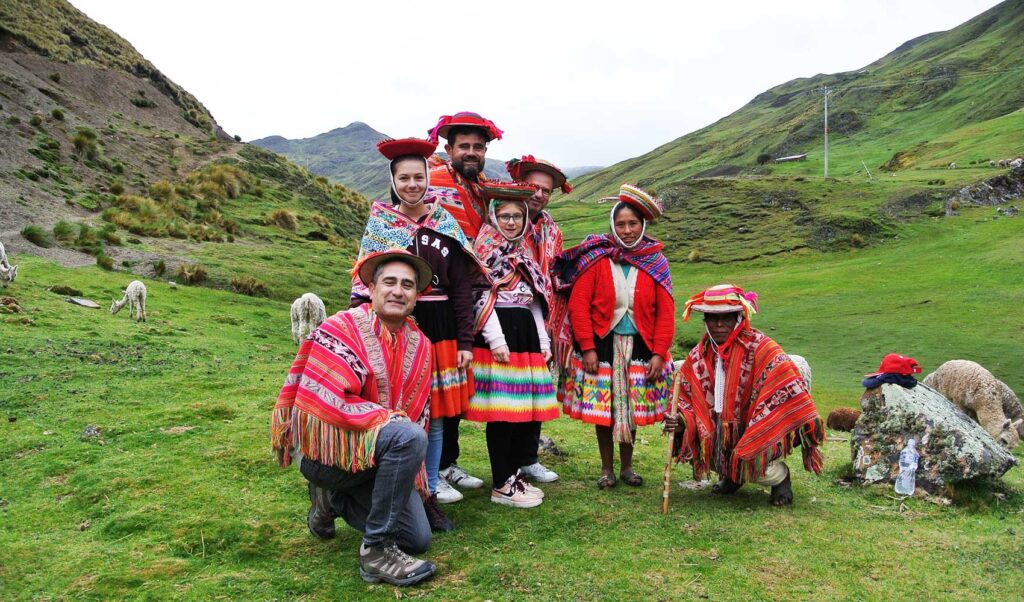
❖ Cultural immersion: Authentic encounters with Andean communities and local traditions
♨︎ Hot springs: Relax in natural thermal baths along the Lares Trek route
⌖ Alternative routes: Follow lesser-known paths that provide a unique approach to Machu Picchu
★ Ideal for relaxed adventure: Perfect for travelers who want a balance of culture, comfort, and light adventure
Best Time to Visit Machu Picchu
Choosing the best time to visit Machu Picchu depends on your travel style, weather preferences, and tolerance for crowds. Below is a seasonal breakdown to help you plan the ideal visit.
Dry Season at Machu Picchu (May–September)
The dry season is the most popular time to visit Machu Picchu, especially for hiking and outdoor activities.
☀︎ Best weather & clear skies: Ideal conditions for exploring the site and enjoying panoramic views
⌖ Ideal for hiking & photography: Excellent visibility and stable trail conditions
▤ Peak tourist season: Higher number of visitors, particularly during the summer months in the Northern Hemisphere
Green Season at Machu Picchu (November–March)
Also known as the rainy season, the green season offers a quieter and more scenic experience.
❖ Lush landscapes & fewer crowds: The scenery is vibrant and green, with a more peaceful atmosphere
☂︎ Occasional rain showers: Short, refreshing rains are common, usually in the afternoons
☾ Ideal for quieter travel experiences: Perfect for travelers seeking tranquility and fewer visitors at Machu Picchu
Best overall months: April and October offer excellent weather with fewer visitors.
Machu Picchu Tickets and Entry Information
Entry to Machu Picchu is strictly regulated to protect the site and enhance the visitor experience. Understanding the ticket system in advance is essential for a smooth and stress-free visit.
- Daily visitor numbers are limited: To preserve Machu Picchu, the Peruvian authorities cap the number of visitors allowed each day
- Tickets must be purchased in advance: Same-day ticket purchases are not guaranteed, especially during high season
- Multiple circuits and time slots: Visitors must choose from designated circuits (1 to 4) and specific entry times
- Additional permits required: Access to Huayna Picchu and Machu Picchu Mountain (locally known as Montaña Machu Picchu) requires separate permits and sells out quickly
Planning ahead ensures you secure the desired Machu Picchu ticket and make the most of your visit.
Key Travel Tips for International Visitors
Planning ahead will help ensure a safe, comfortable, and enjoyable visit to Machu Picchu. These essential travel tips are especially important for international visitors.
- Allow time to acclimate to altitude: Spend at least one or two days in Cusco or the Sacred Valley before visiting Machu Picchu to reduce the risk of altitude sickness
- Wear sturdy walking shoes: Comfortable footwear with good grip is essential for navigating stone paths and uneven terrain
- Bring layers for changing weather: Mountain conditions can change quickly, so pack light layers and rain protection
- Follow site regulations strictly: Respect designated circuits, entry times, and conservation rules to help preserve Machu Picchu
- Consider travel insurance: Coverage for medical needs, trip delays, and outdoor activities provides extra peace of mind.
Is Machu Picchu Worth It?
Without question, Machu Picchu is consistently ranked among the world’s most rewarding travel experiences. For travelers visiting Peru from around the globe, Machu Picchu is often the highlight of their South America journey and a destination that not only meets but exceeds expectations.
Combining extraordinary history, breathtaking landscapes, and a deep sense of cultural and spiritual connection, Machu Picchu offers an experience that stays with visitors long after they leave. It is a place that justifies the journey and earns its reputation as one of the greatest travel destinations in the world.
Plan Your Machu Picchu Vacation with Local Experts
We are a 100% Peruvian-owned travel company with over 30 years of experience designing personalized Machu Picchu tours and custom Peru travel itineraries for travelers from around the world. Our deep local knowledge allows us to create authentic, well-organized experiences that go far beyond a standard visit.
By traveling with local experts, you benefit from seamless logistics, professional and knowledgeable guides, and insider access to the cultural and natural highlights of Machu Picchu and the Sacred Valley. Whether you’re planning a short visit, a multi-day trek, or a tailor-made journey through Peru, we ensure every detail is handled with care.
Let us help you plan an unforgettable Machu Picchu vacation, designed by locals who know Peru best.