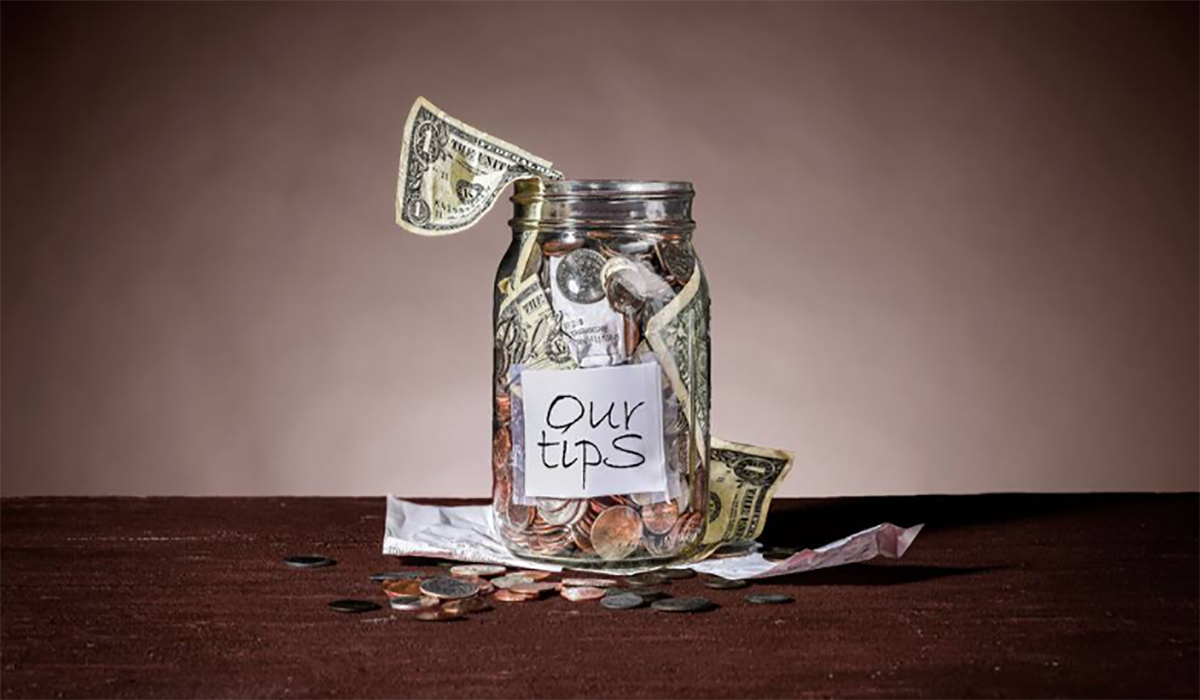
Tipping is a common practice when traveling in Peru, especially in popular destinations like Lima, Cusco, the Sacred Valley, and Machu Picchu. If you’re wondering, “Do you tip in Peru?” the short answer is Yes. While tipping in Peru is not required, it is widely appreciated—particularly in the tourism and hospitality industries.
Peru’s official currency is the Peruvian sol (PEN), so travelers should be familiar with local tipping customs when calculating gratuities. Wages in the service sector can be modest, and many tour guides, drivers, hotel staff, and restaurant servers rely on tips as an important part of their overall income.
If you’re asking how much to tip in Peru, the amount depends on the type of service. In restaurants, a 10% tip is standard if a service charge is not already included. For tour guides and private drivers, tipping is customary and reflects your satisfaction with the experience.
Understanding tipping etiquette in Peru helps you avoid confusion, respect local customs, and travel with confidence. In this Peru tipping guide, you’ll learn exactly when, where, and how much to tip during your trip.
KEY PRINCIPLES OF TIPPING IN PERU
* Service Recognition
In Peru, tipping is more than a financial gesture—it’s a sign of appreciation for quality service. Tipping in Peru reflects recognition of professionalism, courtesy, efficiency, and overall service experience.
While large tips are not expected, leaving a gratuity is considered a respectful and thoughtful way to acknowledge good service. In the tourism and hospitality sectors especially, tips are seen as a symbol of courtesy and satisfaction.
Understanding this aspect of tipping culture in Peru helps you reward excellent service appropriately during your trip.
* It Does Not Replace a Salary
Tipping in Peru is an important source of additional income for many workers in the service and tourism industries. However, it should not be viewed as a replacement for a fair salary.
While some employers may rely on gratuities to supplement wages, tipping in Peru is meant to reward good service—not substitute proper compensation. The key principle is fairness and balance.
If you’re planning your trip, choosing a well-organized Peru vacation package can help ensure a smooth experience while respecting local customs, including tipping etiquette.


HOW MUCH SHOULD YOU TIP IN PERU?
1. Restaurants and Cafes
In major cities like Lima, Arequipa, and Cusco, tipping in Peru at restaurants is typically around 10%. However, some restaurants already include a service charge on the bill, which can cause confusion. Before paying, it’s always a good idea to review your receipt and confirm whether the service charge has been included.
If service is not included and you are satisfied with your meal, leaving a 10% tip is customary. You may also choose to leave a higher gratuity for exceptional service.
* How Do You Know If Service Is Included in Peru?
When dining in Peru, always review your bill carefully. Look for terms such as:
- “Servicio” or “servicio de mesa” – typically a 10% service charge
- A service fee listed separately, often alongside the sales tax (IGV)
If the service charge is already included and you’re satisfied with the experience, you can simply pay and leave. However, if the service was exceptional, adding an extra 2–5% in cash is a thoughtful way to show appreciation.
Understanding how service charges work in Peru helps you avoid double tipping and ensures you follow proper tipping etiquette during your trip.
2. Hotels & lodges
At the hotels, trains, and lodges Peru Machu Picchu Tours carefully selects, service is both meticulous and genuinely personal. From attentive staff to seamless hospitality, every detail is thoughtfully executed to enhance your experience.
In these settings, a modest and well-timed tip is a meaningful gesture — one that recognizes exceptional service and can truly make someone’s day.
Housekeeping
US$2–3 per room, per night
Leave it in an envelope or on the bedside table with a short note.
Bellhops / Porters
US$1–2 per bag
Hand it directly to the porter once your luggage has been delivered to your room.
Concierge (for complex arrangements)
US$5–10 total per stay
Appropriate when the concierge assists with restaurant reservations, exclusive access, or detailed logistics.
Spa Therapists
10–15% of the treatment cost
Tip if a service charge has not already been included.
Butler or Dedicated Host
US$10–20 per room, per night
At properties offering butler-style service, adjust based on the level of personalized attention provided.
At some remote lodges, riverboats, or luxury trains, guests may be invited to leave a single envelope gratuity per guest to be shared among the entire team — including behind-the-scenes staff. This approach is both refined and equitable.
3. Transportation – Cabs & Tour Drivers
When using ride-sharing services in Peru, such as Uber or inDrive, tipping is not required. However, leaving a small gratuity is a polite way to show appreciation if your driver is safe, punctual, and professional. Most apps allow an optional in-app tip of 5–10% for exceptional service.
*How Much to Tip a Tour Driver in Peru
For private transportation services or organized tour transfers, tipping is more customary. Shuttle drivers often cover long distances, manage complex logistics, and play a key role in ensuring your trip runs smoothly. Leaving a tip is a polite way to show appreciation, even if you don’t speak Spanish.
Suggested Tipping Guidelines:
- Airport–hotel transfers in major cities (Lima, Cusco, Arequipa): US$3–5 per person
- Airport–hotel transfers in the Sacred Valley (approx. 1.5-hour drive): US$4–6 per person
- Half-day group tours: US$5–7 per person
- Full-day group tours: US$7–9 per person
- Private shuttles or private tours: US$8-10 per person for a half-day, or US$12–15 per person for a full-day
On luxury or expedition cruises, drivers are usually part of a larger operations team. In these cases, tips are typically pooled into a collective crew fund rather than given individually, ensuring fair distribution among all staff.
4. Tour Guides
In Peru’s tourism industry, tipping is customary—especially for professional tour guides. Many guides rely on gratuities as an important part of their income, since base wages in the sector are often modest.
If you’re asking, “Do you tip in Peru?”, the answer is Yes for guided tours. Tipping your tour guide is a meaningful way to show appreciation for their expertise, service, and professionalism, while also supporting local tourism professionals.
Professional tour guides in Peru are highly trained to share the country’s rich history, vibrant culture, and stunning natural landscapes, making your travel experience both educational and memorable.
Suggested Tipping Guidelines:
Group Tours
- For half-day group tours, a tip of US$7–10 per person is customary.
- For full-day group tours, gratuities generally range from US$10–20 per person, depending on the quality of service and group size.
Private Tours
Private tours offer personalized attention, and since tips are not shared among a group, it’s recommended to leave a slightly higher gratuity.
- Half-day private tour: US$10–15 per person
- Full-day private tour: US$15–30 per person
5. Tipping on Treks in Peru (Inca Trail & Alternative Routes)
On treks such as the Inca Trail or alternative routes, your support team—including guides, porters, and cooks—ensures your journey is comfortable, even in remote locations.
Suggested Tipping Guidelines:
- Porters: Around US$45 per porter for a 4-day trek, typically shared among the group.
- Cooks: Around US$75 per cook for a 4-day trek, usually pooled and distributed by the group.
- Lead guide: Follows the standard tour guide tipping recommendations, multiplied by the trek length.
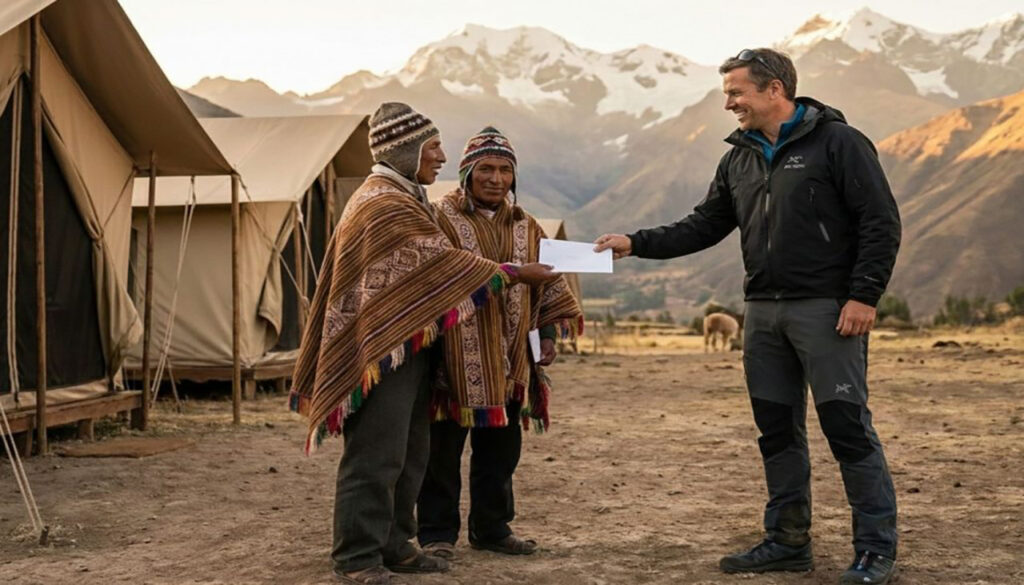
These gratuities are generally handed over by a group spokesperson on the final evening, often during a brief thank-you ceremony. Your trek briefing or pre-departure notes will typically outline the suggested ranges and expectations.
THINGS TO CONSIDER
1. Urban vs Rural areas
Tipping practices in Peru are generally similar across popular visitor destinations, but expectations can vary by region.
Lima: In fine-dining restaurants and upscale bars, a 10% tip is customary for good service when it’s not already included.
Cusco & Sacred Valley: Tipping guides, drivers, and hotel staff is very common, as tourism plays a vital role in the local economy.
Remote areas, Amazon, Colca Canyon: Some lodges and boat tours use pooled tipping systems. Individual tips are always appreciated but are often complemented by a shared envelope among staff.
2. Foreign vs Domestic Travelers
In popular destinations such as Cusco and Machu Picchu, tipping practices are often shaped by international travel standards. Visitors from countries with structured tipping norms typically leave higher gratuities.
Domestic travelers, by contrast, usually tip based on the quality of service rather than a fixed percentage. These differences highlight how global tourism influences tipping culture in Peru’s most-visited destinations.
3. Cultural & Photo opportunities
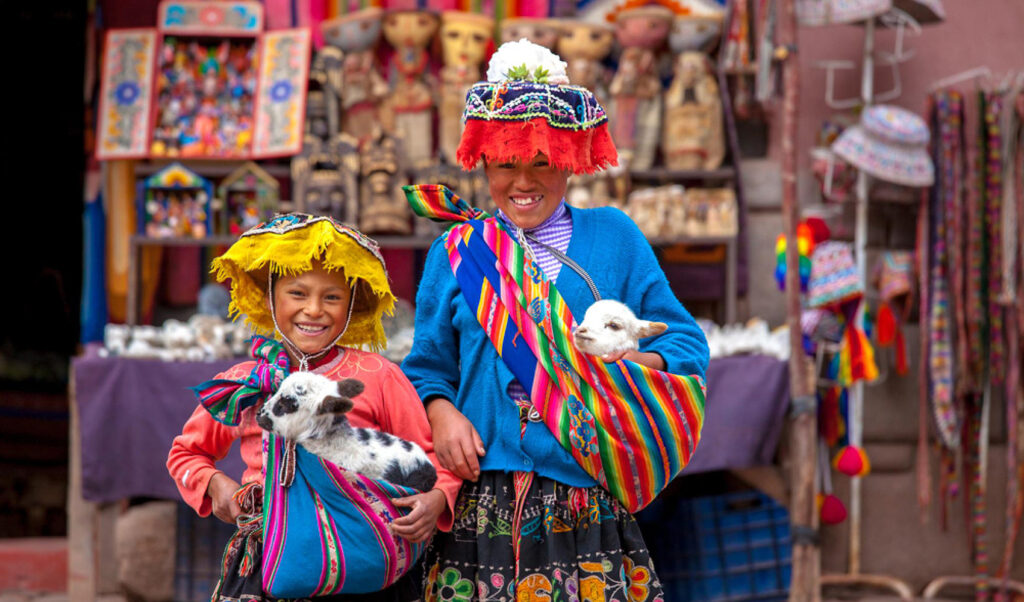
In Peru’s popular tourist areas, you may see locals dressed in traditional clothing or posing with animals such as llamas or sheep, offering photo opportunities. While this can be a fun cultural experience, it’s important to remember that a tip is generally expected in exchange for a photo.
Sometimes the suggested amount may be higher than anticipated. To avoid any awkward situations, it’s best to ask about the price before taking a picture.
Being aware of these informal tipping practices ensures a smoother travel experience and helps you show respect for local customs.
SHOULD YOU TIP IN SOLES OR US DOLLARS?
Whenever possible, tip in Peruvian soles (PEN). Using the local currency:
- Makes it easier for staff to use the money immediately.
- Saves them time and fees at currency exchange offices.
- Feels more thoughtful and considerate.
It is also common to use US dollars in popular travel corridors. Larger tips—especially for treks, cruises, or guides—can be paid in dollars.
When tipping in dollars:
Use clean, recent bills with no tears or marks.
Avoid very small denominations for everyday tipping; soles are usually more practical.
For ATMs, exchange counters, and guidance on handling cash safely, refer to our Peru Money & Currency Guide.
HOW DO YOU GIVE A TIP GRACEFULLY?
A few simple guidelines can help ensure your tips are thoughtful and graceful:
- For larger amounts, especially pooled tips for trek teams or cruise crews, use an envelope.
- Hand tips discreetly, either directly to the person or at reception, with clear instructions on whom it is for.
- Express your gratitude in Spanish—a warm “MUCHAS GRACIAS” is often as meaningful as the tip itself.
- Avoid placing large bills on a table in a way that feels showy or transactional.
- Whenever possible, tip in Peruvian soles rather than US dollars; it is more convenient for the recipient and saves them the hassle of exchanging money.
Tipping is an important part of Peru’s culture and a meaningful way to support the local economy. As a visitor, understanding local tipping etiquette ensures your gestures are both respectful and appreciated.
Tipping goes beyond leaving a few coins on a table—it honors the hard work of service industry professionals and allows you to give back to the local community.
When in Peru, tip thoughtfully and generously, and always do so with a warm smile. Your gesture will be remembered and deeply valued.
FREQUENTLY ASKED QUESTIONS (FAQS)
What is the Standard Tipping Percentage in Peruvian Restaurants?
In most restaurants, a 10% tip is customary when a service charge is not already included. You can adjust this amount based on the quality of service, rewarding exceptional attention or going slightly lower if service falls short of expectations.
Do You Tip in Lima’s Fine-Dining Restaurants if There Is a Service Charge?
If your bill already includes a 10% service charge, simply signing and leaving is perfectly appropriate when the service was good.
For truly exceptional experiences—impeccable wine pairings, thoughtful pacing, or attentive, personalized care—consider adding a small additional tip in cash (2–5%). This subtle gesture is a refined way to show your appreciation.
Is Tipping Mandatory in Peru?
Tipping in Peru is entirely voluntary. It is never required, but rather a way to show your appreciation for good service. Think of it as a thoughtful gesture that acknowledges the care and effort of the staff, rather than an obligation.
Do You Tip Taxi Drivers in Peru?
Tipping taxi drivers in Peru is not obligatory. Many travelers simply round up the fare as a courteous gesture—especially if the driver was punctual, helpful, or assisted with luggage. This small act of appreciation is always welcome but entirely optional.
How Much Should I Tip Tour Guides in Peru?
When tipping tour guides in Peru, a common guideline is $10–$30 USD per person per day, depending on the length of the tour, the size of the group, and the quality of service. Exceptional guides who go above and beyond—sharing local insights, personal attention, or thoughtful recommendations—may be recognized with a slightly higher tip.
Can I Add Tips to My Credit Card Payment?
Some restaurants and hotels allow you to add a tip directly to your credit card payment, but many smaller businesses do not. When possible, it’s preferable to tip in cash, in Peruvian soles, as staff receive it immediately and avoid waiting for card processing.